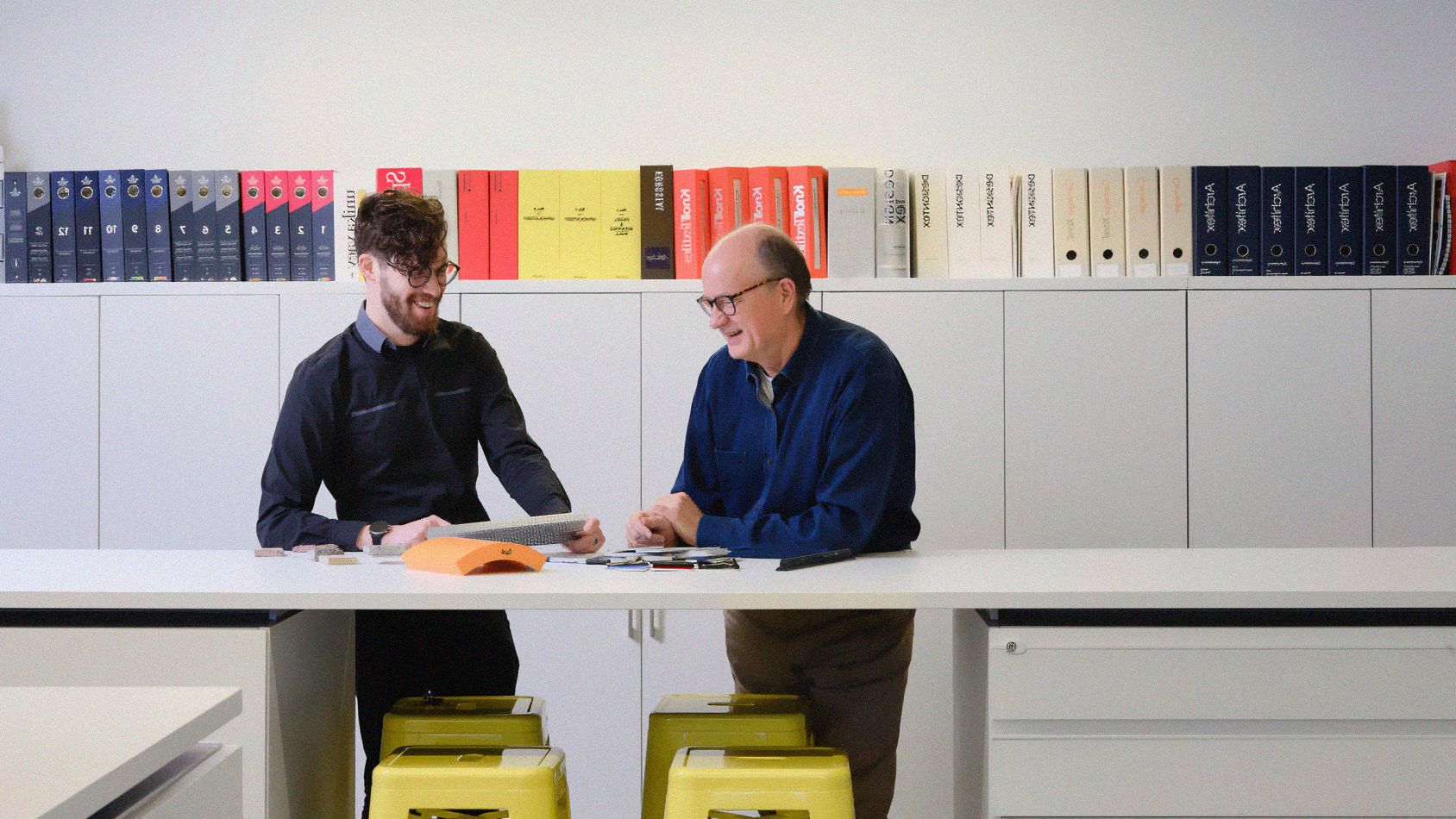
The More You Know: Building Code with Brett Conway
The More You Know: Building Code with Brett Conway
The More You Know: Building Code with Brett Conway
We interviewed Mackenzie Principal Brett Conway about two State of Washington technical advisory groups he's recently been appointed to. He gave us an overview of building code, told us why it matters, and explained how the State of Washington makes changes to it.
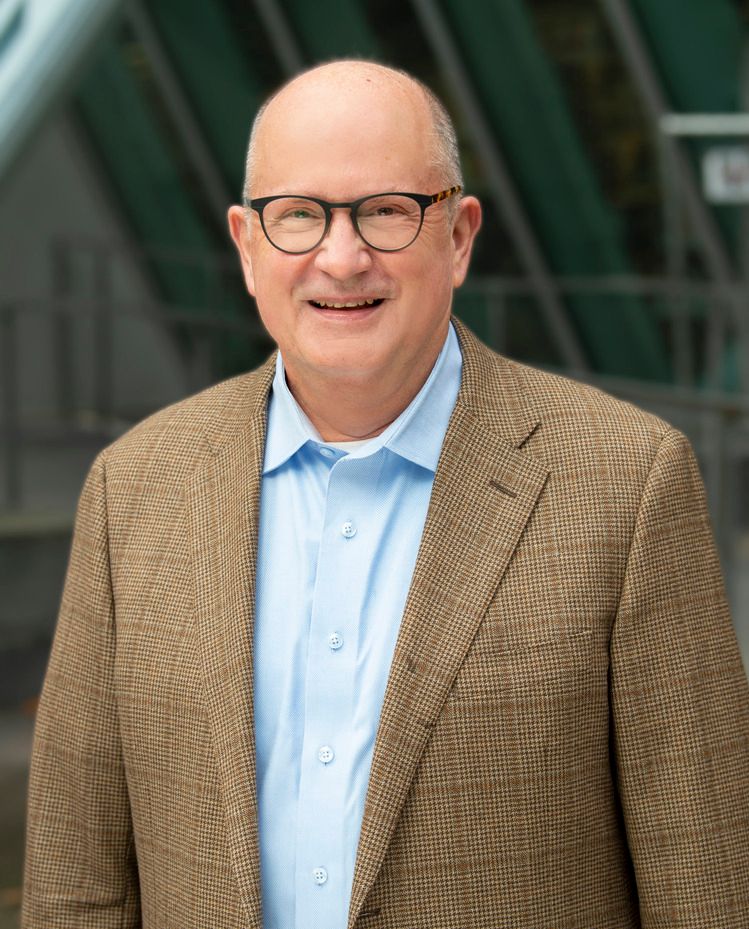
The Washington State Building Code Council recently appointed Mackenzie Associate Principal Brett Conway to two technical advisory groups (TAGs): the Commercial Energy Code TAG and the Building TAG. This means he will be an advisor in the process of adopting the new 2024 model codes for the State of Washington.
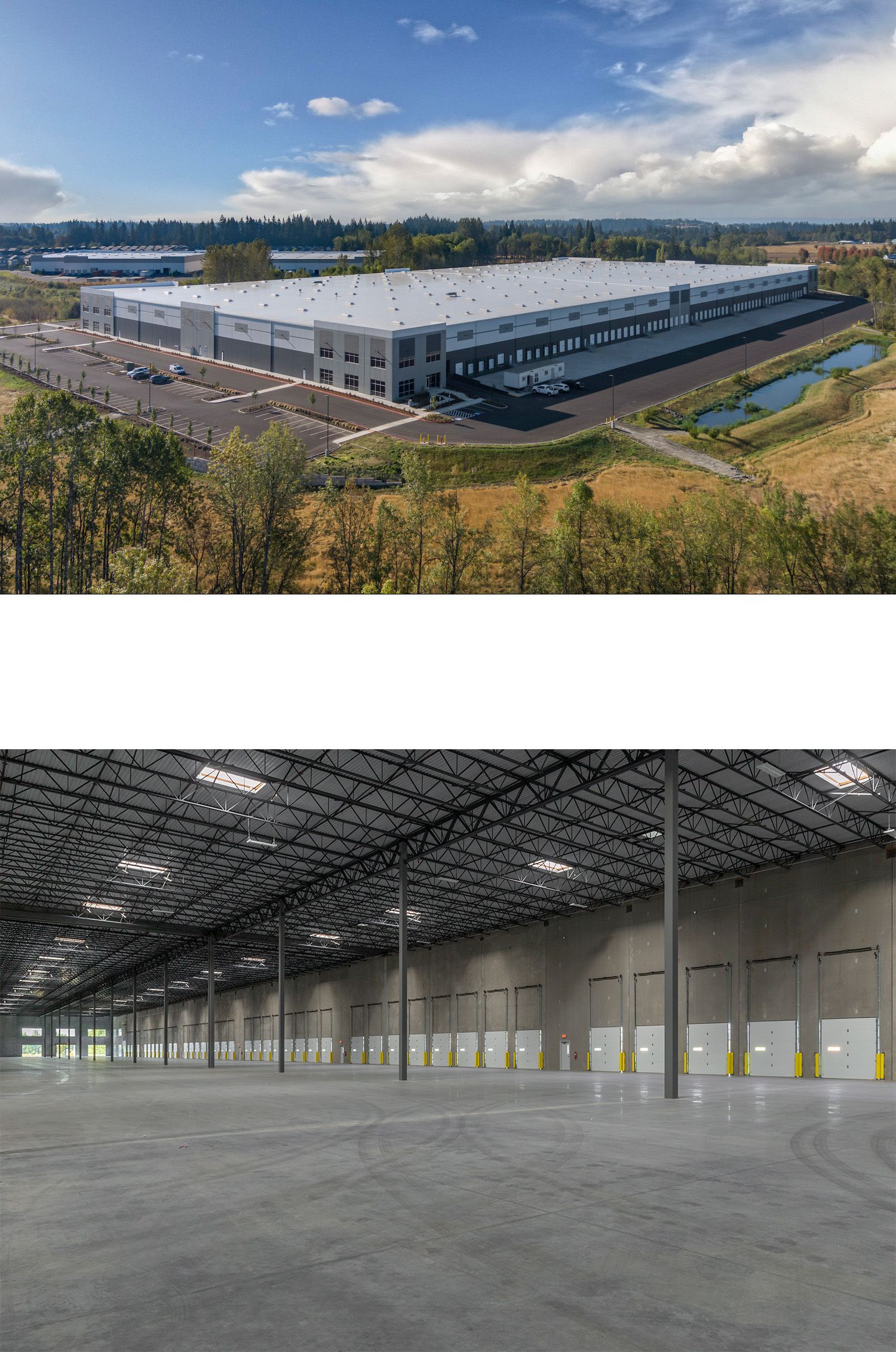
Brett has more than 30 years of experience as an architect focusing in the industrial, corporate, financial, and retail sectors. We asked him to tell us more about his new roles, why we need building code, and how amending the code actually works.
M: What experiences in your career have been instrumental in you having the expertise to join this Technical Advisory Group?
BC: Much of my career has been focused in on bringing buildings from a concept sketch to the ability to construct them. That often means navigating a complex and at times conflicting code environment. Additionally, all of us in the profession have been on an energy conservation journey.
I remember the first and second oil embargos in 1973 and 1979. While in college, my architecture professors and peers were some of the first to engage passive solar design, Trombe walls, mapping sun angles, and other strategies to adapt the built environment to this challenge.
Another was the off-gassing crisis in building envelopes. Buildings had become too tight, and this was making people sick.
Early on, I became a LEED certified professional, along with many of my peers. I was involved in numerous LEED facilities here and in the Pacific Northwest. Today, carbon sequestration and electrification are elements of our frontier. All of these are built into building and energy codes. Some are yielding proven benefits and have been become “givens” in our design work. Others exist at the edges and have not yet obtained 100% consensus.
Outside the sustainable design and the energy code is the American with Disabilities Act, signed in 1990. The design of buildings was instantly transformed. As an architect in the early 90’s, I was on the front line, training other architects and clients to implement accessible environments.
These are areas I've always enjoyed, engaging the code and solving the code. I enjoy figuring out what the code is speaking to and working to bring design ideas and the code together so that a project can get a permit and be constructed.
M: For people less familiar with how the built environment is designed, why is having a building code necessary?
BC: Building codes help coordinate all the building trades into one set of standards and requirements for safety and quality. As architects our primary responsibility is life safety. Codes are structured for safety of individuals who use the buildings and those who enter to protect us. Building codes are minimums.
There used to be three model codes, the Uniform Building Code (UBC), the Southern Building Code (SBC), and the International Building Code (IBC). In 1994, smart people said, “Let's just merge all this together!” The ICC was formed and coalesced the three model codes into one: the IBC. Additionally, some states amend the model codes to address specific issues within their state. These issues were not addressed or not sufficiently in the model codes. Some of the issues not addressed, for example are strong seismic issues in California and hurricanes in Florida. Washington has also been a very active state as well in amending the code to specific priorities within our state.
M: You said that Washington is an active state when it comes to this adoption. What does that mean?
BC: As an architect I have always had to design projects to meet both the IBC code and the Washinton state amendments. I'm learning more and more about how active we are nationally. Some of our experts on the Code Council and in the TAGs are members of the ICC. They are involved in writing the new national model code, so they're active authors on a local and national stage! Some of our amendments here in Washington will get adopted by the new ICC code. We might change a section that eventually goes back to the ICC Council where they say, “That's a good change, let's adopt that nationwide.”
M: This one again is for folks less familiar with how the built environment is designed. The two technical advisory groups you're a part of have names that make it obvious how they're different, but they're both building codes. What does the energy building code do that's different from the building code?
BC: The building code is the most uniformly applied code across the country. It is the center of all the codes. So for example, the fire code refers back to the building code. The plumbing code refers back to the building code. It’s the core that we work with day in and day out.
The energy code is similar, in that it is connected to the building code. It is the key one that facilitates state mandates for energy performance of buildings. The legislature has established 2031 targets for energy consumption and greenhouse gas emissions. The energy code continues a path of adjustment to meet this set of targets. The Washington State Energy Code (WSEC) speaks to the building envelope, mechanical systems, electrical systems and all the systems that you know, pull energy or use up energy. As the country addresses climate change, nearly every sector of the economy is impacted. Buildings comprise a significant portion of the overall impact and new code provisions at times, create significant impediments to development.
M: Building codes are updated every three years. Can you walk us through the process of how a building code is amended?
BC: So there's a national organization called the International Code Council (ICC). They write the model codes. A model code is the template for all jurisdictions that sign onto it. The state of Washington signs on to a set of these model codes. (A complete list of model codes is provided at the end of this interview.) In Washington we have just adopted the IBC 2021 with Washington State amendments. This ICC code we also refer to as the International Building Code. Every three years through a process, the existing code gets updated based on new standards, conditions, or opinions. The SBCC and the TAGs are now engaged in the IBC 2024 adoption cycle.
Here's how the State of Washington adopts new code on this three-year cycle (in brief):
- The process starts when the ICC publishes its most up to date model code. They’ve just published the 2024 code which is the next one to be adopted by the State of Washington.
- The State of Washington Building Code Council deliberates changes to this ICC model code. The Building Code Council is 12 to 15 individuals appointed by the governor to provide guidance on all building codes. Their world extends to all codes that impact buildings! The SBCC forms TAGs for each code adoption cycle to support its efforts. First by issuing an invitation to participate, then an application, a selection process, and an onboarding training. Positions on the SBCC and TAGs are voluntary and uncompensated. The State Building Code Council, the legislature, the public, and the governor can all influence the code.
- Integrate Washington State amendments into the model code. Existing state amendments are merged with the new model code language. New 2024 code provisions are evaluated for consistency with state provisions. This is where we are right now in the process.
- The Council publishes a draft and seeks public comment. Once it’s public, anyone is allowed to offer proposed amendments to the code. If someone offers a proposed amendment, the State Building Code Council will either say yes, no, or ask further questions.
- Once the State Building Code Council has considered proposed amendments, submitted by anybody, the amendments get thumbs up or thumbs down votes from the Council.
- The final step is that the governor signs it. This makes it the official building code everyone must follow. This final step is about a year and a half out from right now.
- All accepted amendments are integrated to the ICC model code and transitioned into the 2024 Washington State Building Code, published and made effective in every jurisdiction in the state.
M: What kind of support will you provide for the two TAGs you've just been appointed to?
BC: I think the key will be continuing conversations with clients and my peers on the sections of the current 2021 code and the new 2024 version that may have provisions yielding unintended consequences to life safety and unreasonable burdens. An important aspect in the code amendments in my opinion includes assessing impacts or “unreasonable burdens” to small businesses and finding ways to remove barriers to housing creation.
My goal will be to facilitate analysis on proposed changes to the code. I want to be a communicator and facilitator of discussion and thoughtful engagement by our group. As an active member of the National Association of Industrial and Office Properties (NAIOP), I also seek to connect owners with code changes proactively to help ensure their interests are represented. We can do a cost benefit analysis of new code amendments, for example.
I anticipate bringing together subject matter experts to assess aspects of code changes that may have a large impact on the built environment. There may be a specific code change proposed and we can all discuss with questions like: Is it hard for us to make that change? Is it really expensive? Will it negatively impact small businesses and housing creation? Are there products out there that will allow us to make that change easily?
M: Can you explain who joins these TAGs, how to volunteer, and where to find more information?
The Technical Advisory Groups are comprised of subject matter experts in around 15 different categories. These volunteers include building officials, fire marshals, general contractors, architects, engineers, vendors, accessible design specialists, housing specialists, members of the public, to name a few. A serious group!
So anybody can submit to join a TAG. There’s this table that lists all kinds of professions that qualify someone to become a member of a particular TAG. It's a statewide posting for anyone to apply.
The State Building Code Council approves members of each TAG, and there are five TAGs:
- Building Code
- Energy Code
- Fire Code
- Residential Code
- Mechanical, Ventilation, and Plumbing
To learn more about the Washington State Building Code and Council, visit their website here.
Listed below are all the ICC model codes. Not all are used in Washington State.
- International Building Code (IBC)
- International Residential Code (IRC)
- International Fire Code (IFC)
- International Plumbing Code (IPC)
- International Mechanical Code (IMC)
- International Fuel Gas code (IFGC)
- International Energy Conservation Code (IECC)
- ICC Performance Code (ICCPC)
- International Wildland Urban Interface Code (IWUIC)
- International Existing Building Code (IEBC)
- International Property Maintenance Code (IPMC)
- International Private Sewage Disposal Code (IPSDC)
- International Zoning Code (IZC)
- International Green Construction Code (IgCC)
- International Swimming Pool and Spa Code (ISPSC)


